
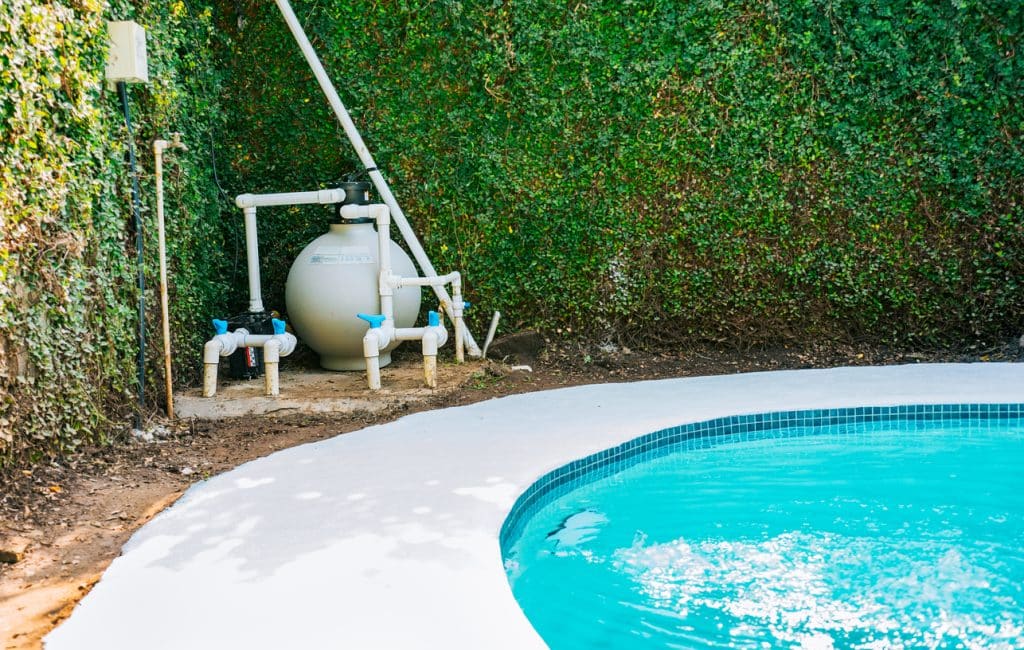
Summer is here, and so is pool season. One of the most important parts of keeping a swimming pool clean, safe, and ready to enjoy is making sure the pool pump is operating efficiently. When a pool pump begins struggling, it can lead to poor water circulation, higher energy costs, and even unexpected breakdowns during the hottest part of the year. To stay proactive, here are four pool pump care tips so you can enjoy your pool all season long.
1. Clean Filters and Baskets
Dirty filters force the pump to work harder to circulate water properly, increasing strain on the system and reducing overall efficiency. Allowing debris to accumulate can restrict water flow, increase energy usage, and place unnecessary stress on the pump motor over time. To combat this, clean the pump basket and empty skimmer baskets regularly, especially during heavy pool use or after storms.
2. Regularly Inspect for Wear
Routine inspections can help catch small pool pump issues before they cause serious problems. As you enjoy your pool, remember to periodically check seals, gaskets, valves, and electrical connections for signs of wear, corrosion, cracking, or moisture buildup. It’s also important to watch for air leaks within the system, since air entering the plumbing lines can place additional strain on the pump. Unusual noises, weak water flow, or air bubbles can all be signs that the system needs attention.
3. Optimize Pump Schedule
Running the pool pump on the right schedule for your pool size, usage level, and seasonal conditions will improve efficiency while reducing unnecessary wear. During the hotter summer months, pools often require longer circulation times to help maintain clean, balanced water, while cooler weather may require shorter run times. As a rule of thumb, aim for 1 hour of pump operation for every 10° of the outdoor temperature, and consider running it during off-peak hours for energy savings.
4. Maintain Proper Chemical Balance
When chemical levels in your pool become too acidic or too alkaline, it can contribute to corrosion and mineral buildup. It can also wear down seals, valves, and internal pump components. Using test strips, check the water chemistry at least twice a week, after heavy rainfall, or after pool parties and heavy pool use. Then, make adjustments as needed, which may include adjusting sanitizer levels, adding pH increaser or reducer products, or shocking the pool to remove organic buildup.
Keeping your pool pump running efficiently starts with consistent maintenance and proactive care. By understanding how your pool pump system works and keeping it well-maintained, you can minimize unnecessary wear and maximize your summer fun. If you have concerns or require pool equipment services, contact PB Pool Doc in Palm Beach, FL.