
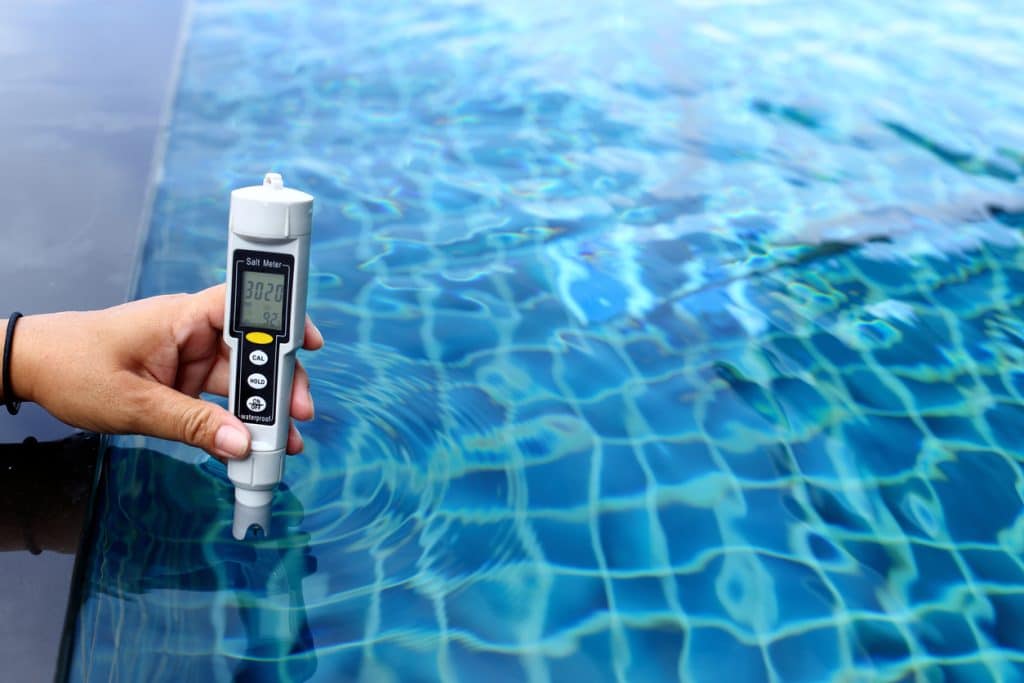
With more than 10.4 million residential pools in the United States, many homeowners enjoy having a backyard oasis. Pools are an excellent investment, but they can develop basic issues. Professional swimming pool service technicians are sharing tips on detecting and fixing common pool problems this season.
The Three Cs of Pool Care
Chemistry, circulation, and cleaning matter when it comes to maintaining a healthy, swimmable environment. When any of the three Cs are out of order, problems will eventually arise. Homeowners need to inspect their swimming pools regularly to catch small issues before they turn into larger problems during the hot summer days ahead.
Surface Stains and Scaling
Calcium scaling is a chalky residue and a telltale sign that the chemistry is off. When the pH is too high, staining occurs as minerals such as metals, copper, calcium, or manganese bind to the pool’s surfaces, creating stubborn wall stains.
It’s essential to brush all pool surfaces, paying close attention to the waterline. A pumice stone or stain and scale eraser can be effective at removing these markings. Pool service technicians recommend lowering the pH level and using chemical sequestrants to prevent these minerals from oxidizing.
Burning Eyes and Skin
There’s nothing worse than taking a dip and feeling that sting in the eyes or on your skin. This is another indicator that the pool’s chemicals are out of balance, and a pool testing kit will confirm this. A comfortable swimming experience for all requires a pH level between 7.2 and 7.6.
Low Water Levels
This isn’t unusual and typically occurs as the hot sun bears down and accelerated evaporation occurs. If you don’t use a swimming pool cover, the water level will go down, sometimes as much as 2 inches per week. It’s important to monitor the levels, and if you notice the water sitting below the pool skimmer, add more using a standard garden hose so the pump can properly function.
Equipment Glitches
Pool service experts agree that the pool pump is the heart of the system. A pool needs to circulate and filter water properly. For example, if you notice your pump is on the fritz, check first for leaves or twigs that could be blocking it. Use a telescopic net to skim the surface regularly.
Listen for strange noises that could indicate a motor malfunction. Also, examine the filter’s pressure gauge. If it’s reading too high or low, the component could be clogged. Pool service pros recommend cleaning or backwashing the filter.
A residential swimming pool can create the ultimate personal paradise. Ensure that your pool remains balanced with the proper chemicals, good circulation, and efficient cleaning. Don’t ignore red flags; fix basic problems when you can.
Serving clients throughout Palm Beach, FL, PB Pool Doc is your go-to for pool repairs.